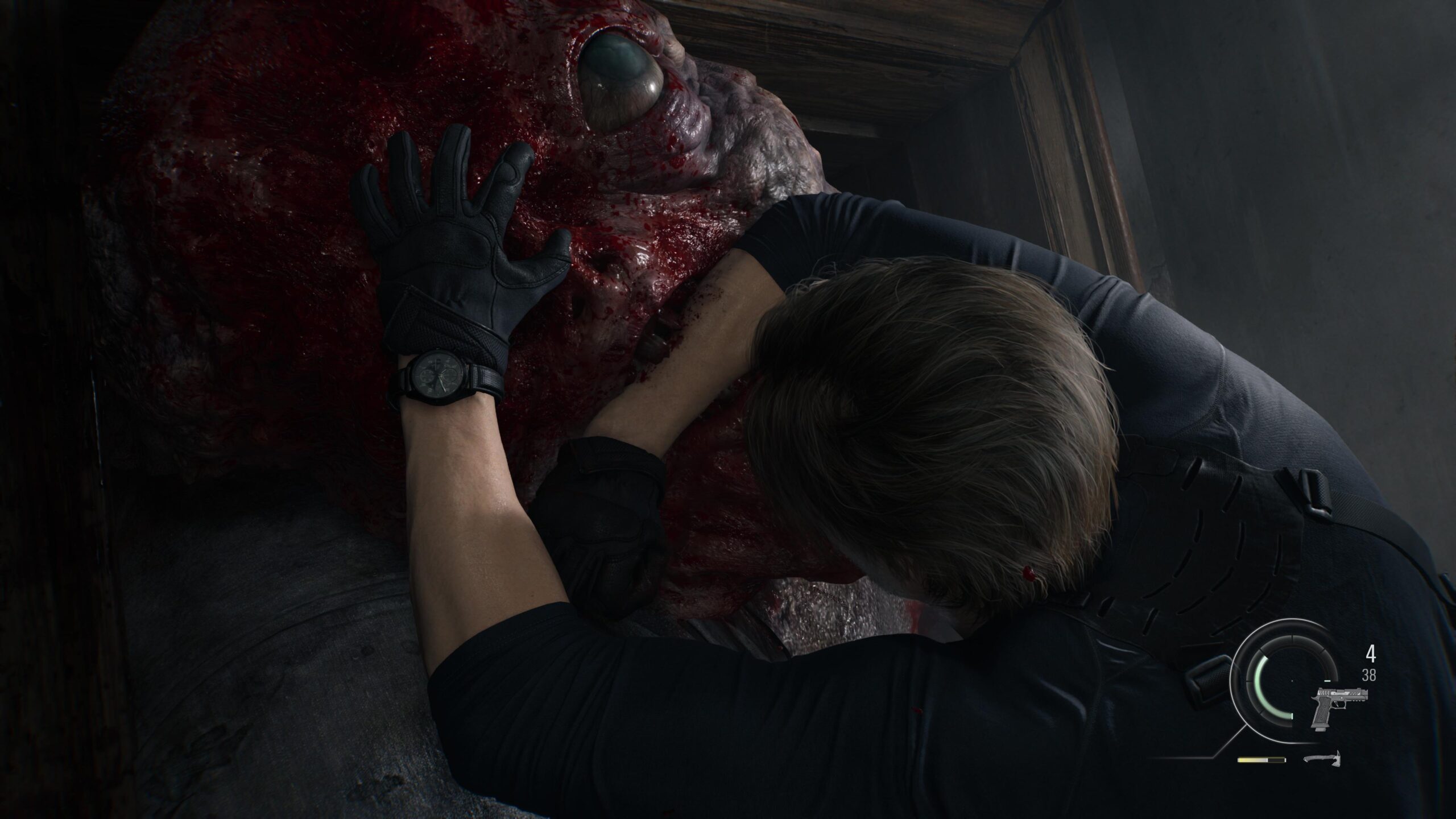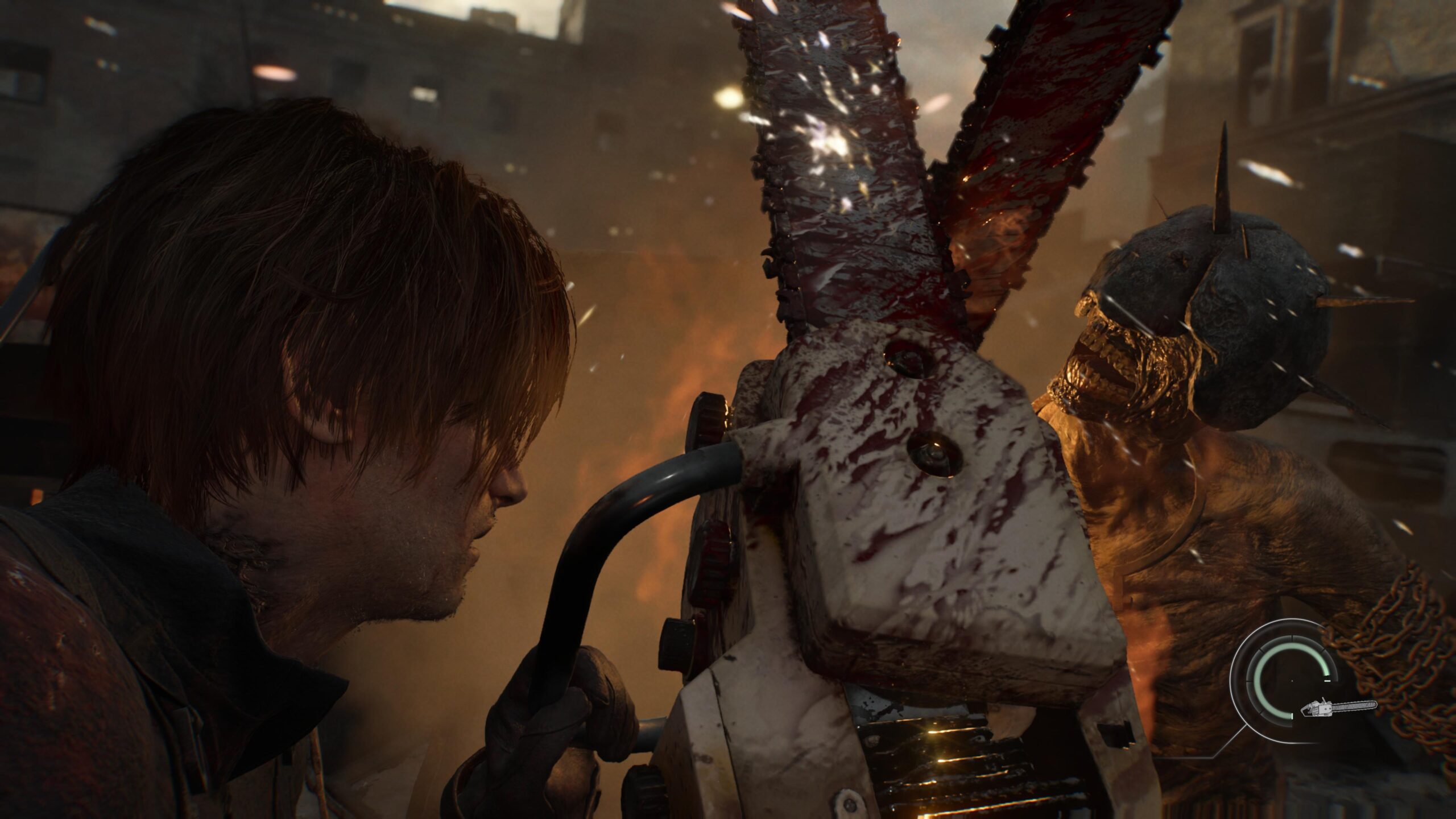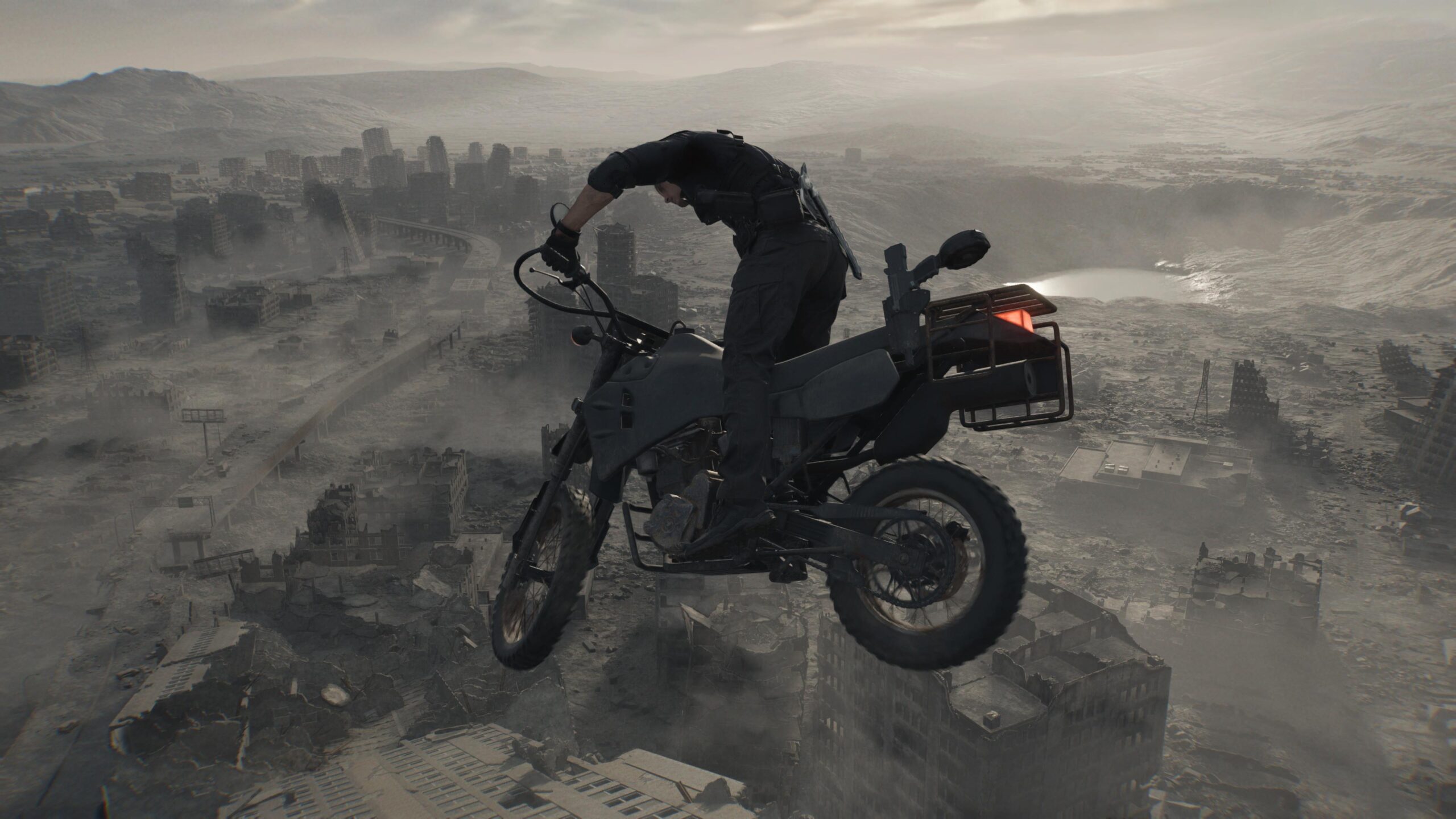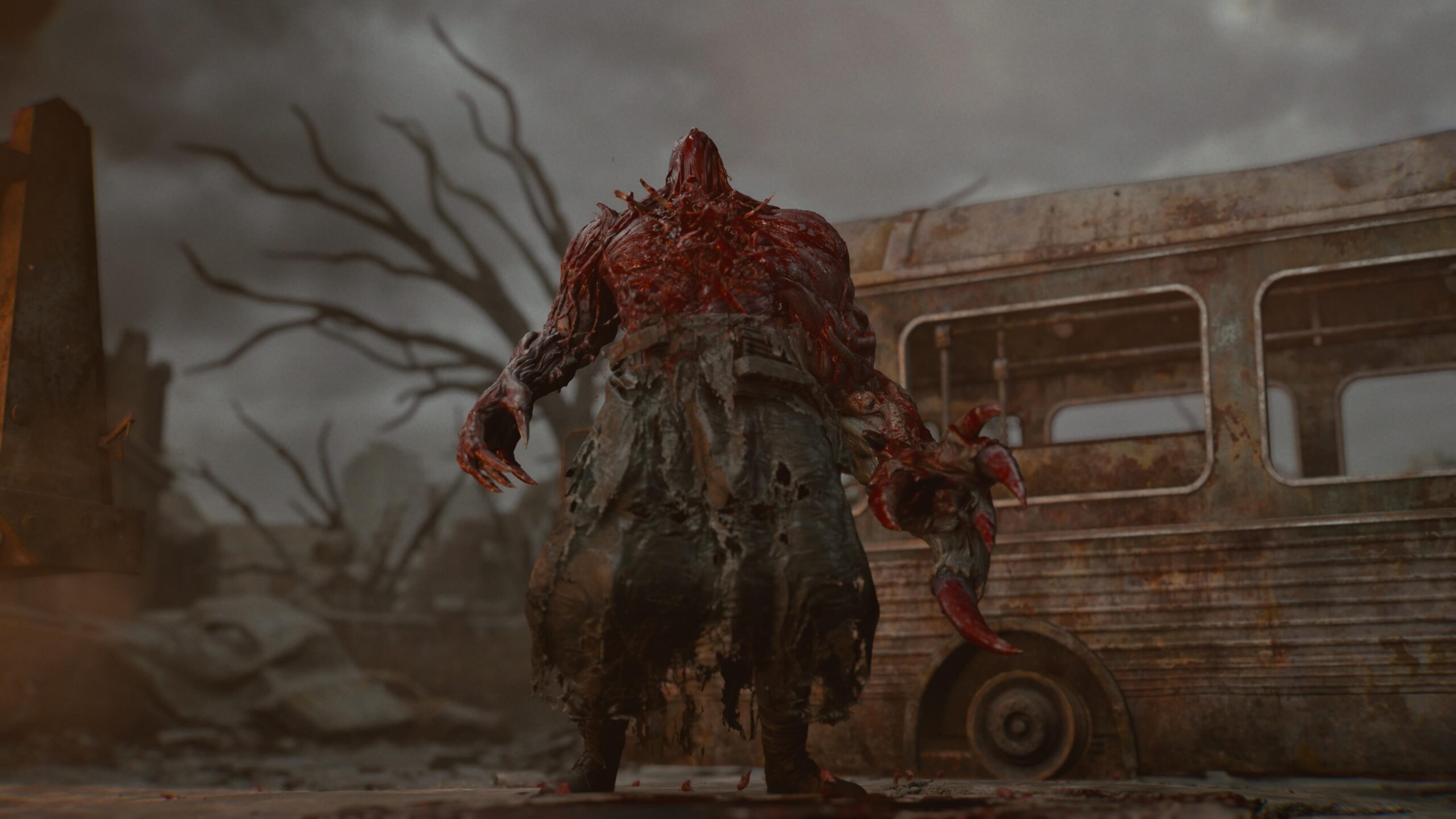
Sparklite & Zelda: Link’s Awakening

Posted in Best / Worst, Blog, Games, Reviews on February 1, 2026 by slateman

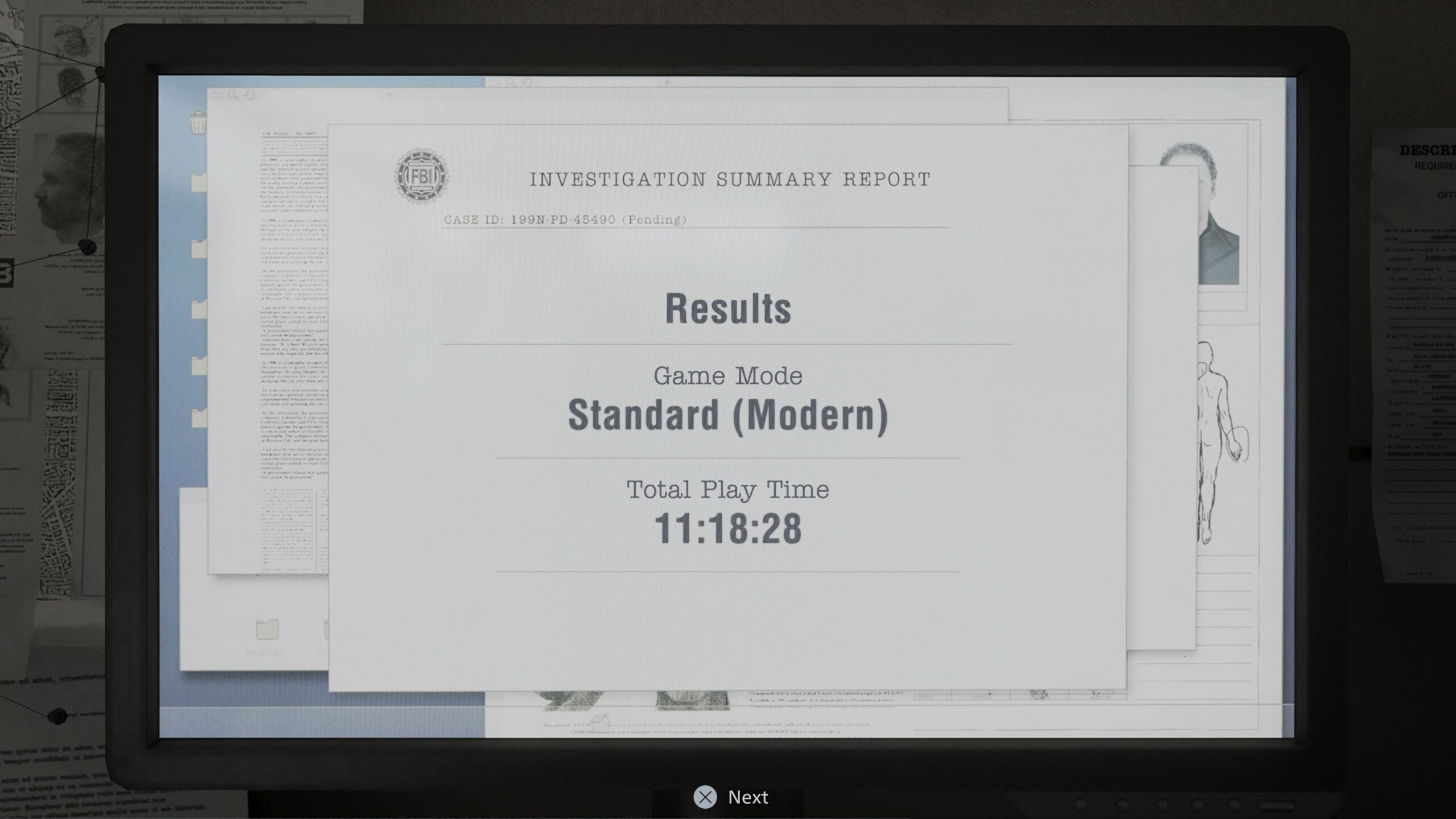
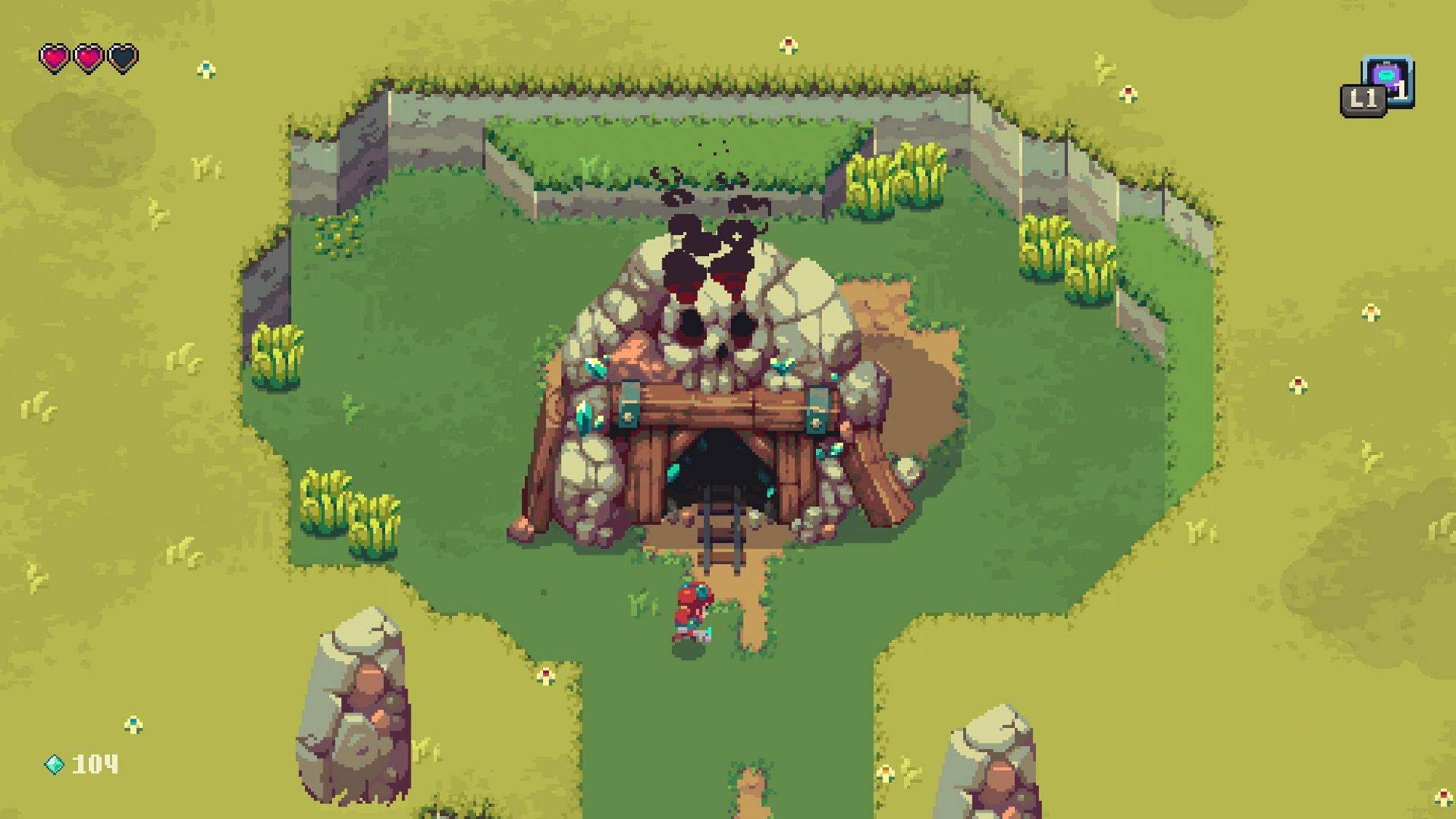
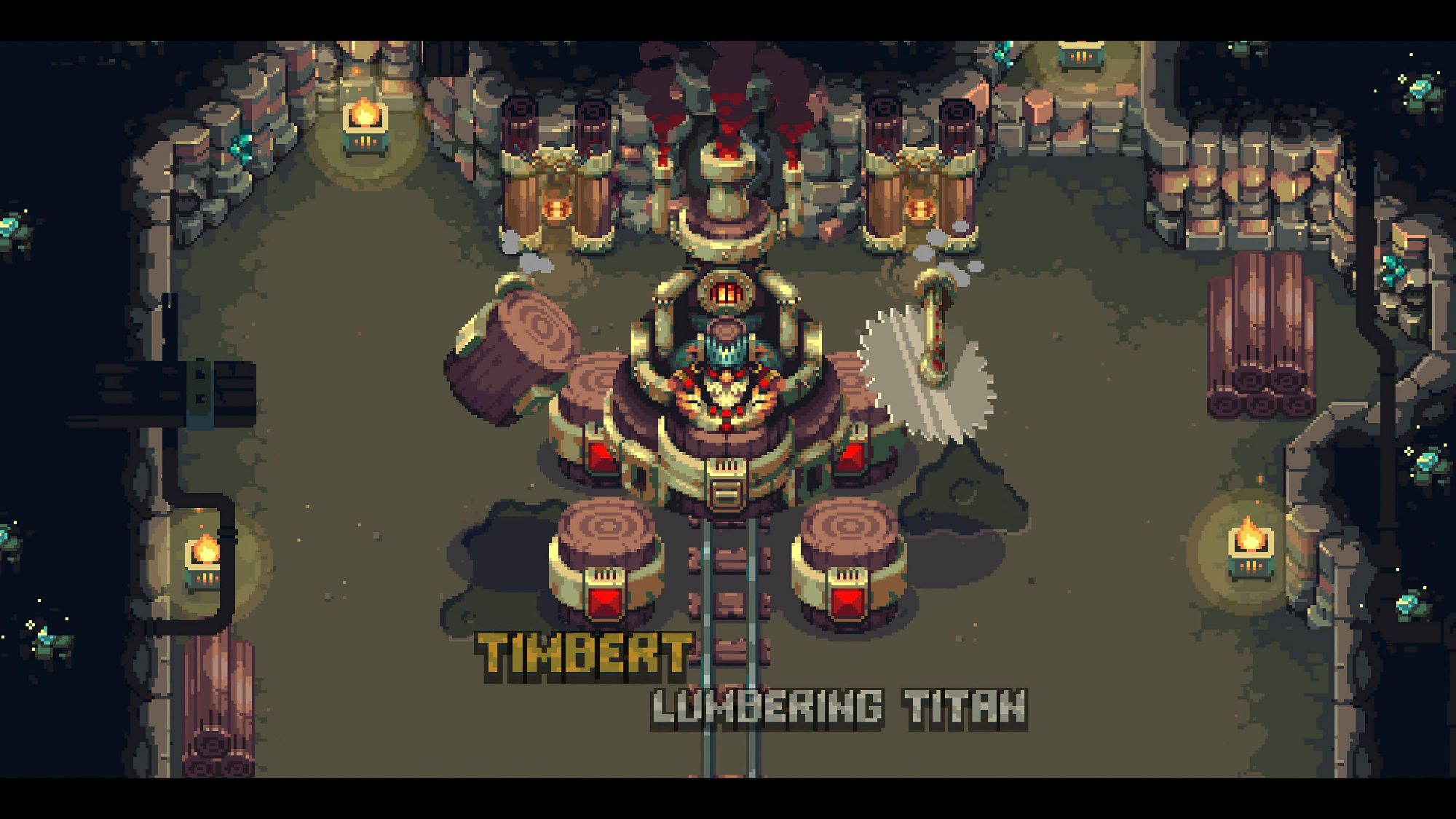
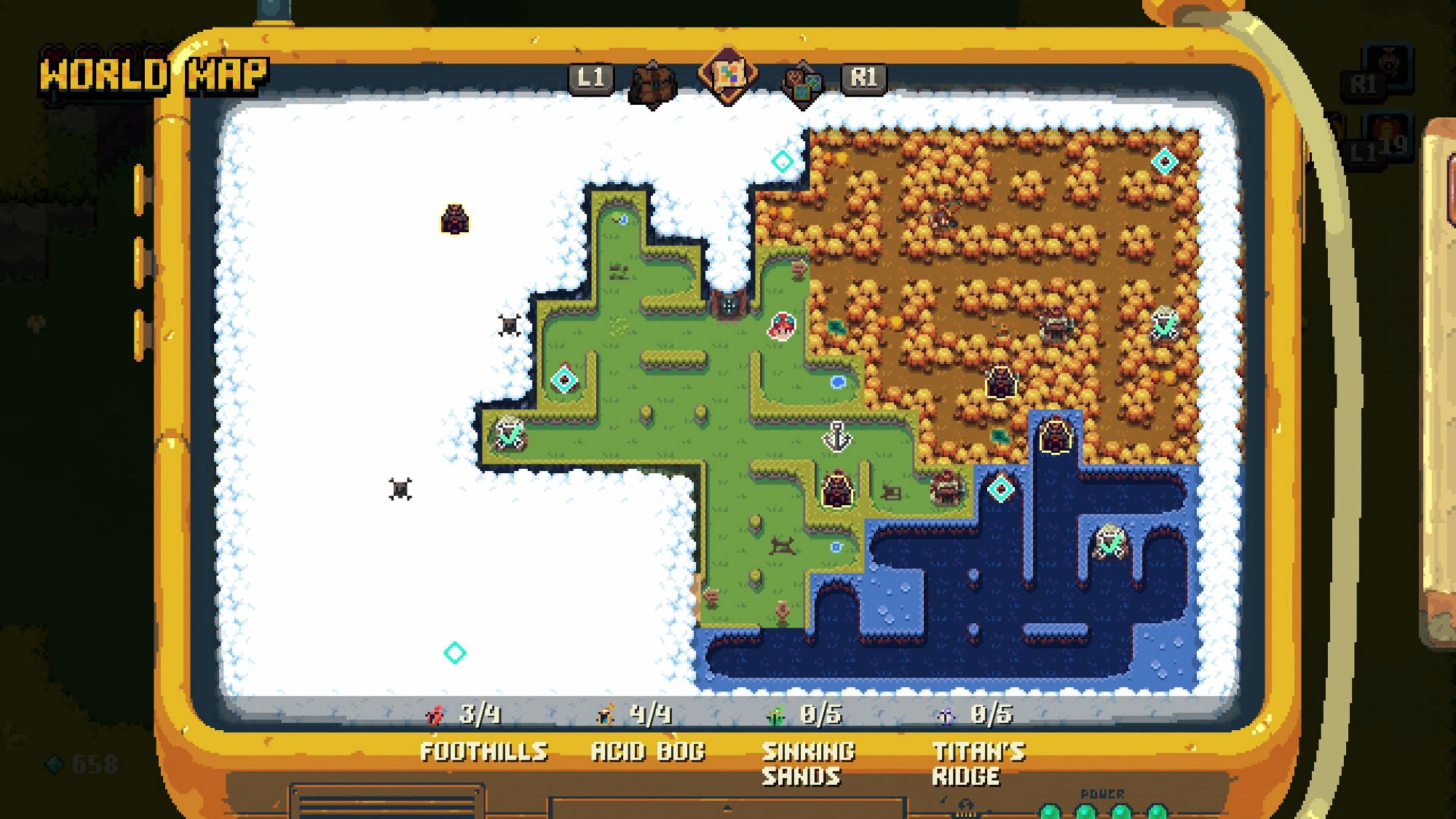
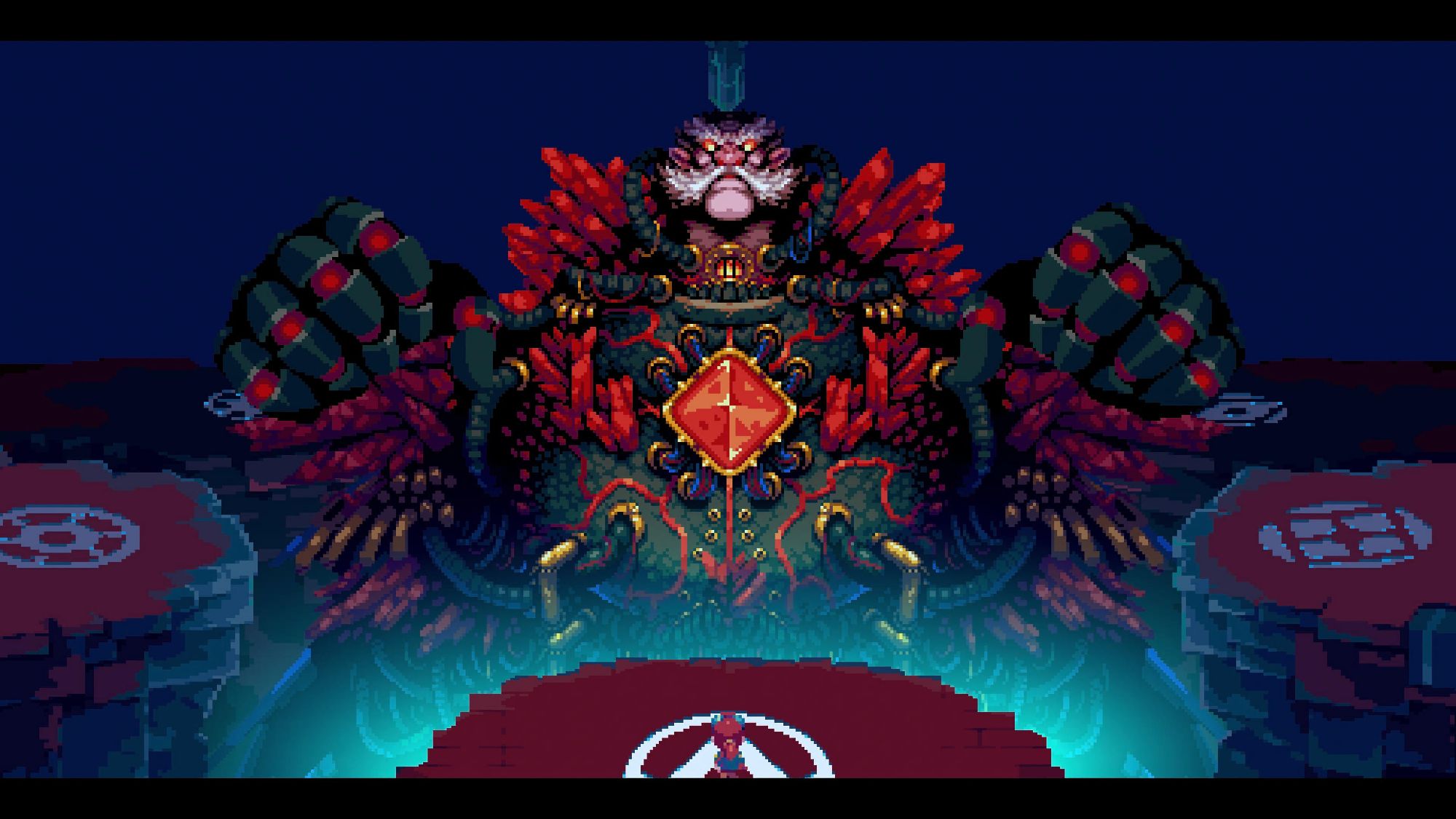
I rolled the dice and purchased Sparklite this past month, after humming and hawing over the roguelite the past few years. Five hours later, I got the platinum.

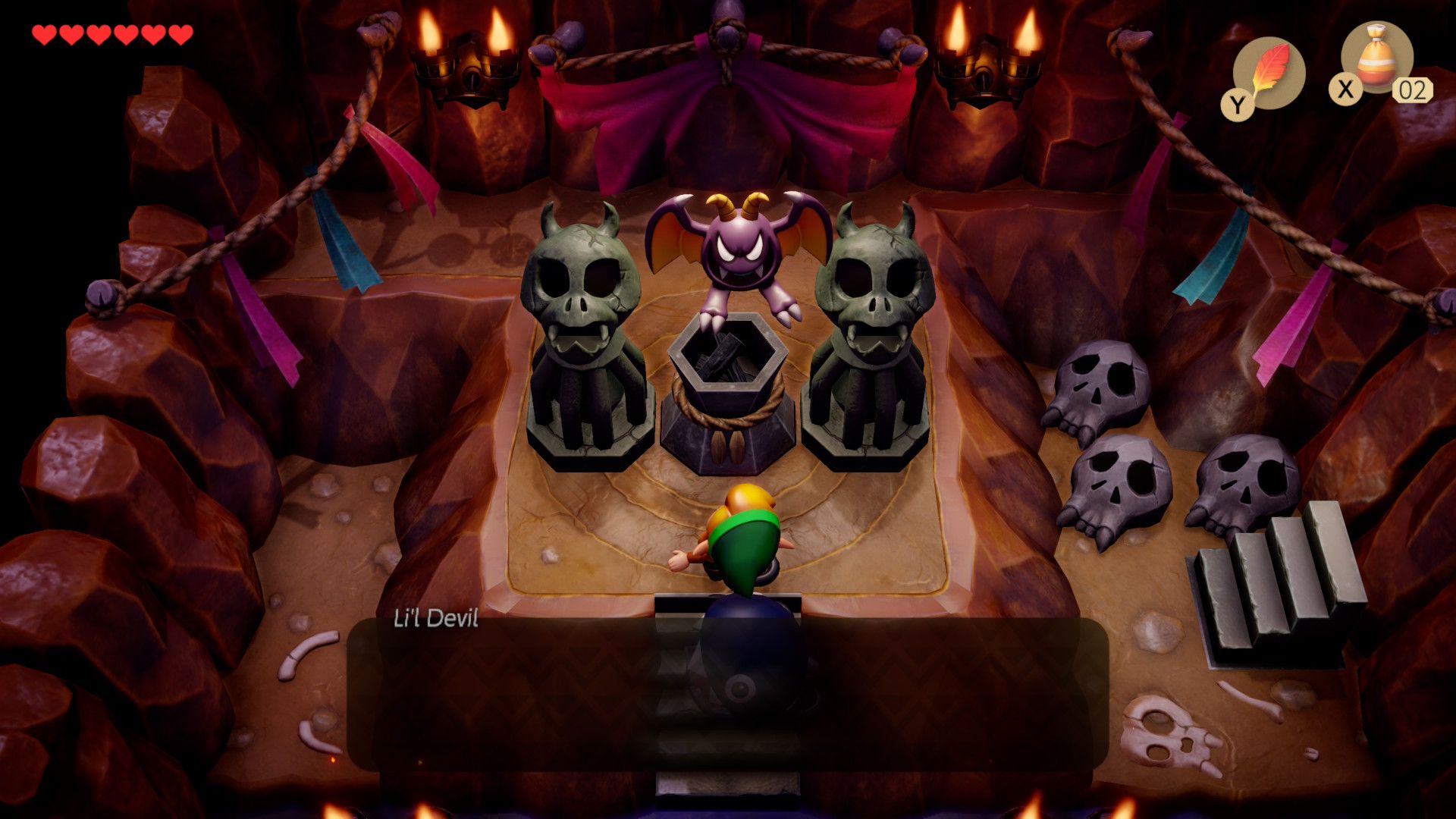
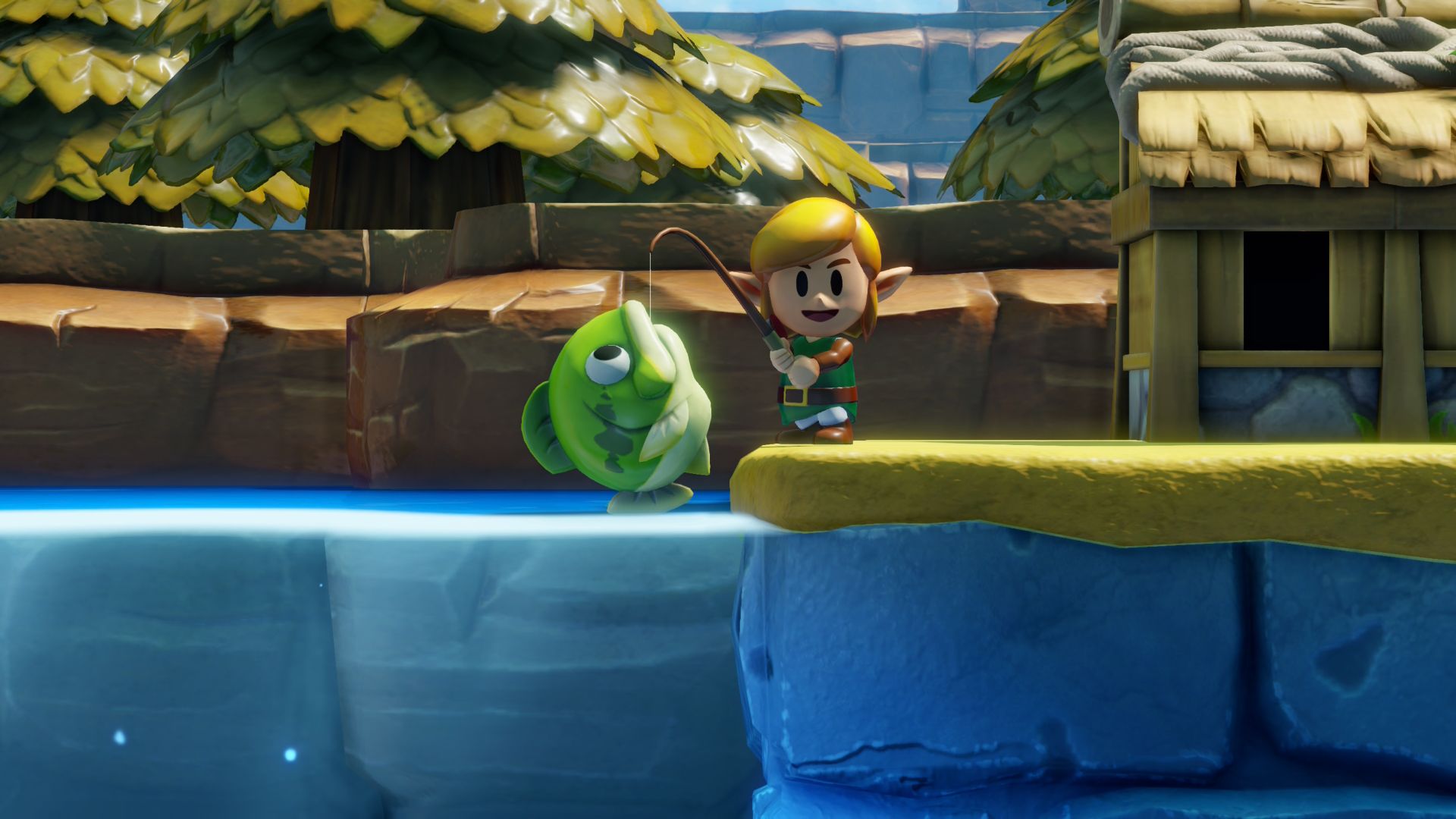
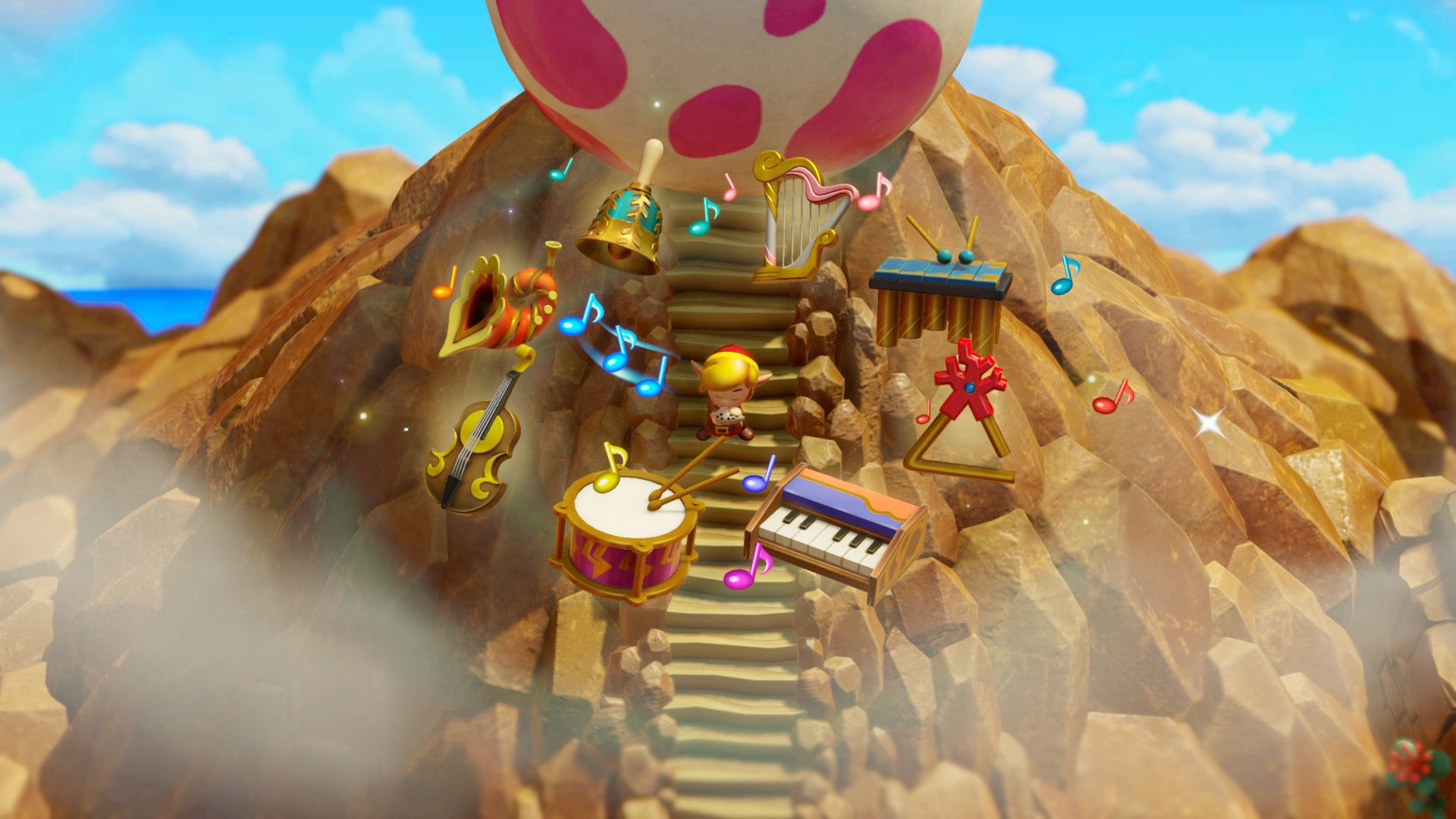
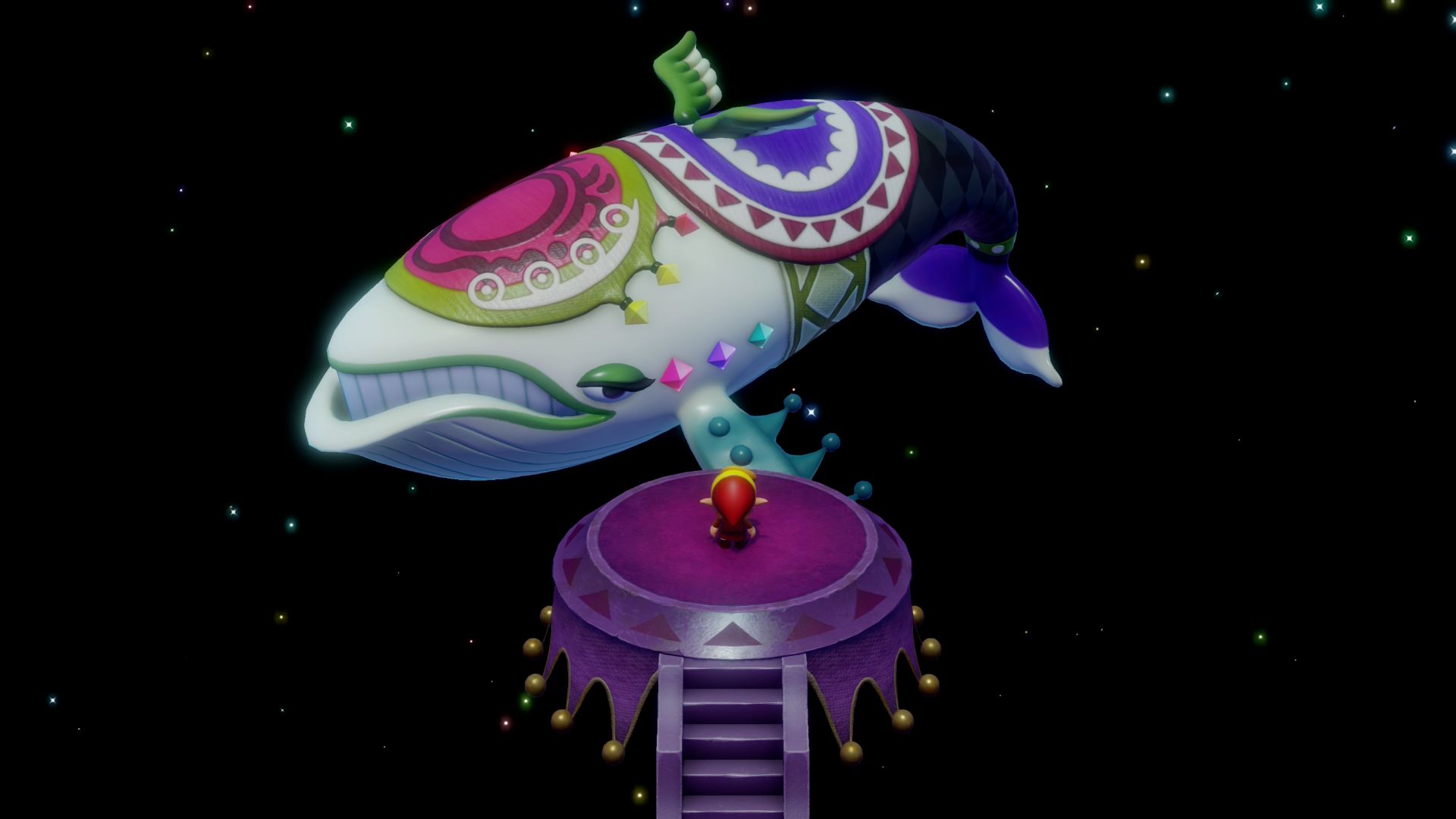
My buddy’s Christmas gift arrived just afterwards: The Legend Of Zelda: Link’s Awakening. Another game I’d been interested in playing, well, now I can! A week of snow days at work helped facilitate a playthrough!

So – the question is: Which is the better Zelda game? The answer, without question, Sparklite.

I haven’t the time now to dive into a full write-up, but some key points follow

Sparklite

  • Fun, light combat
  • Meaningful upgrades
  • Enjoyable roguelite elements
  • Diverse biomes
  • Simple, trackable collectibles
  • Fantastic visuals

Zelda

  • Bullshit 1993 level design
  • Awesome presentation
  • Where the fuck do I go now?
  • Obtuse and nonsensical

Now, I totally understand Zelda’s loyalty to its source material. But as a gamer who didn’t play the 1993 game in 1993, I most certainly want nothing to do with 1993 design in 2026. (yes, I know it came out seven years ago). It was all just so absurd. The early dungeons were fun, but dungeon 7, I’m looking at you – Holy shit, what bullshit. It was one of those games that you complete and immediately say, “I want never to play this again.”

Sparklite on the other hand, had its share of flaws, but was an enjoyable experience throughout. I hardly put it down, and while the final trophies were a bit grindy, they weren’t necessary to complete the tale. I had a great time playing this and I’m glad I dove in, despite reservations.

It’s NYE and…

Posted in Blog, Books, DoDon Pachi, Games, Personal on January 1, 2026 by slateman
I’m alone this year. Kids with friends. Wife with daughter and grandson (!!!).

And I’m 75% through a chapter in a book I’m writing. This chapter? DoDonPachi: Dai-Ou-Jou. One of the greatest games ever made.

\m/ So excited.

6×6 Pyraminx Algorithms

Posted in Algorithms, Blog, Cubing on December 29, 2025 by slateman

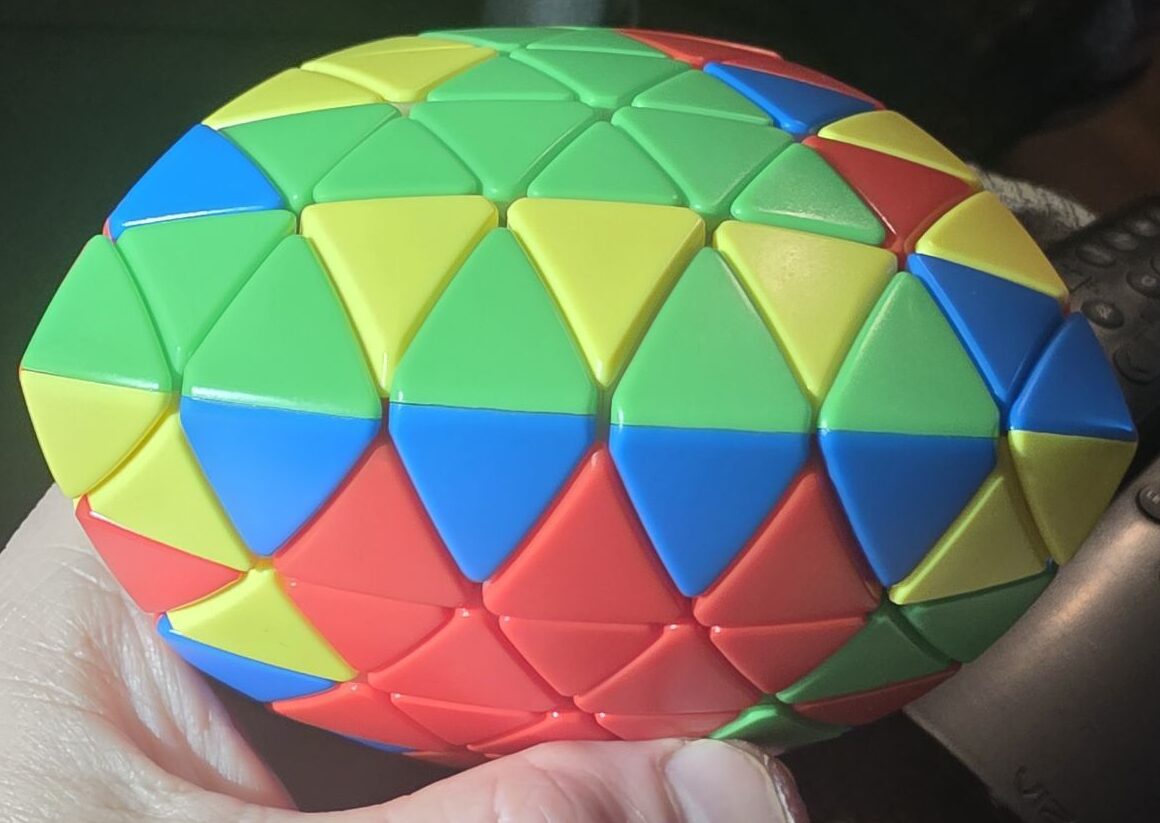
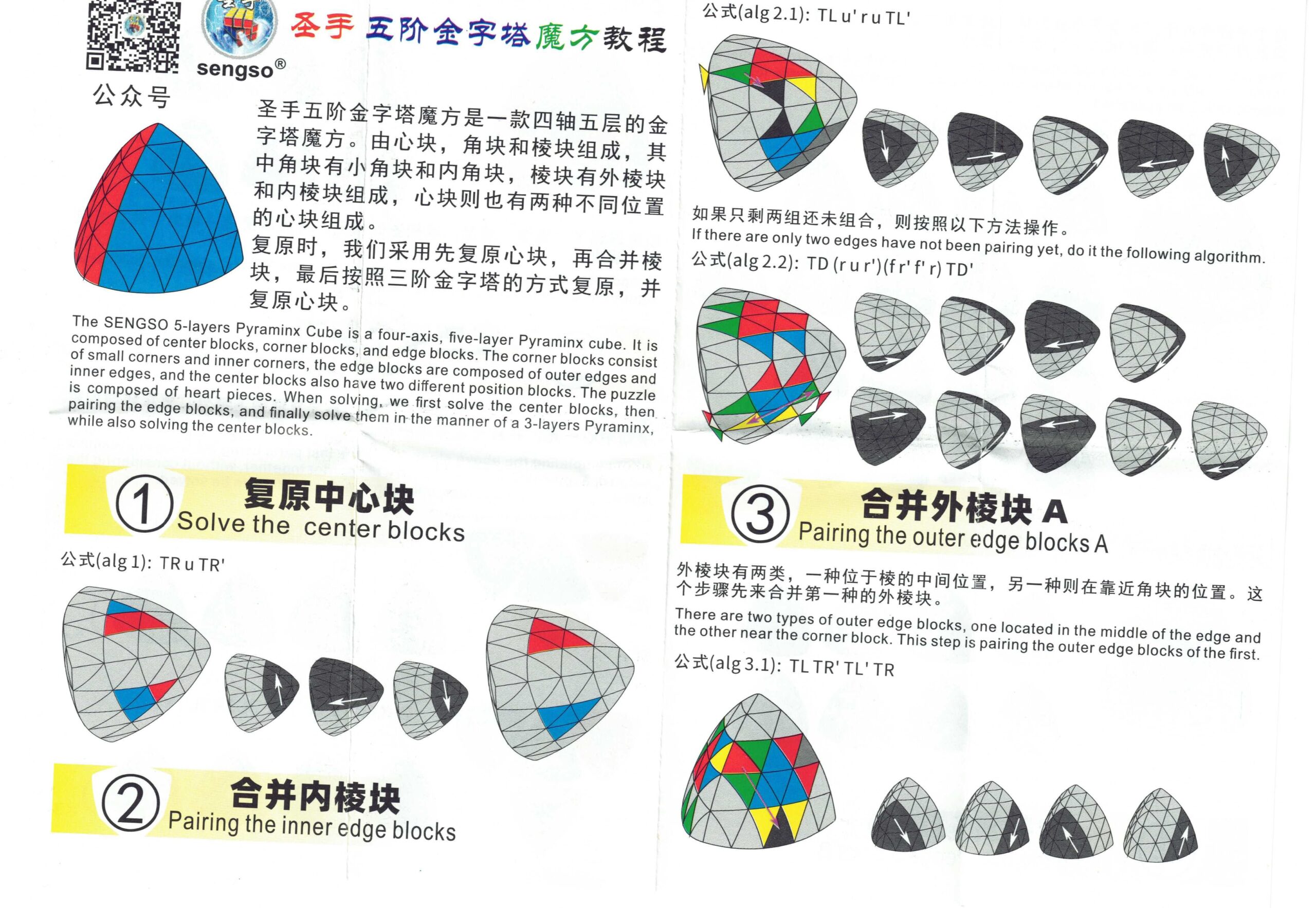
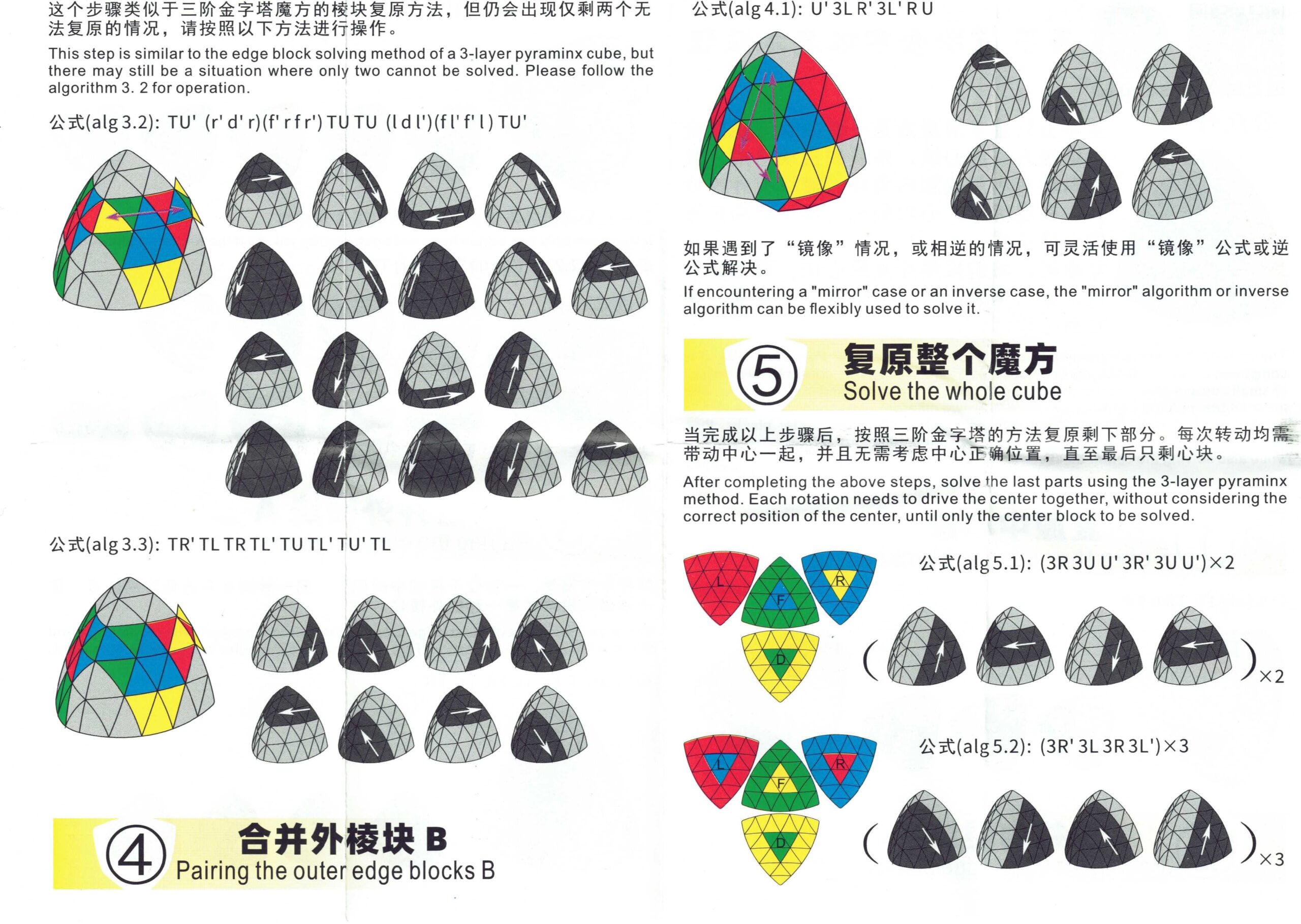
I quite enjoyed the 5×5 Pyraminx so I thought the 6×6 might be fun. I wasn’t prepared for it to be such a different, unique solve. I’m going to try to break down how I did it, having bastardized some other suggestions. Images to come.

Step One: Solve Centers
Start here by getting the two biohazard centers. For this, we can ignore the inner tips. Those are easy to fix later. Most importantly, ensure centers match the outer tips: Red/Yellow/Blue in clockwise fashion. When you need to swap centers – and you can do this for any centers – keep reading.

If you get one center edge swapped, here’s what you do. In this image it’s yellow and green. In this position, you could just bring the top yellow down to the green, but you don’t want to do that just yet. Move the front face with the yellow center clockwise or ccw so the wayward green piece is out of the way. We’re going to do a pair of D/D/U/U algs. In this pic, the yellow on the top face is on the left side, you’ll start on the left. Do a D/D/U/U moving the yellow down to a dummy/properly-placed front-faced yellow piece. Then move the front face back so the incorrect green piece is on the top (where it’s shown in the pic). Do the D/D/U/U again, but now start on the right. This will reverse the swap and you’re golden!

Step Two: Get Three Edges

For this, you’ll be matching these three red/yellow edges here.

Find your piece, position it on the right or left and bring three layers down to put it adjacent to the center edge. Next, move your entire top layer away from the tip you just turned. If you’re matching on the right, then move top layer left and out of the way (and vice versa). This is like a 4×4 edge-match, where you’ll replace it with another mismatched edge. You’ll eventually have to figure out what to do if you have only two edges left, but that’s for a different day. Keep matching these until you get them all sorted out. You could always do two at once, if you’re smart. 2025 me? Not so great.

Step Three: Get Inner Edges

There are four green/blue pieces shown in the pic above, but we’re talking about the inner pair. The outer pair can be matched by turning the tips after this step. Easy.

For the inner pair, this is a simple D/D/U/U algorithm, as these are not deeper cuts. Just do it properly to retain the center tips. It’s pretty simple.

Step Four: Jing’s Pyraminx

This really just uses Pyraminx algs. If you need to swap four centers, give it a D/D/U/U cycle three times.

Hanoiminx / 3-Layer Magic Drum Algorithms

Posted in Algorithms, Blog, Cubing on December 16, 2025 by slateman

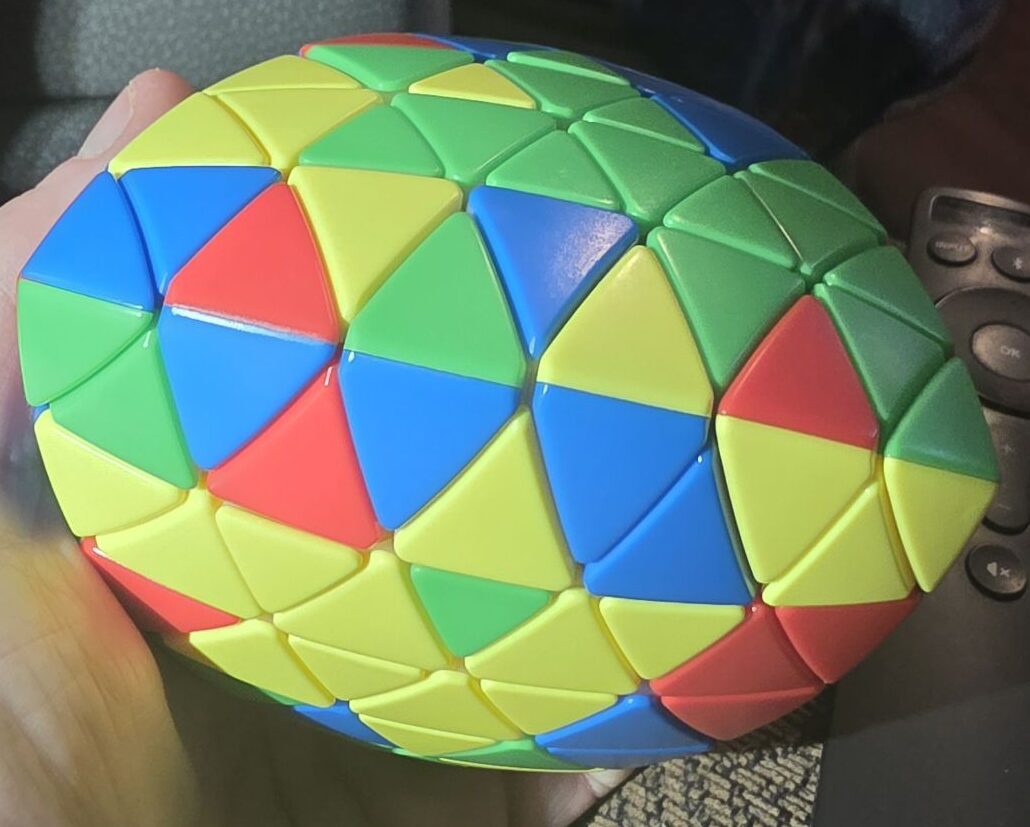
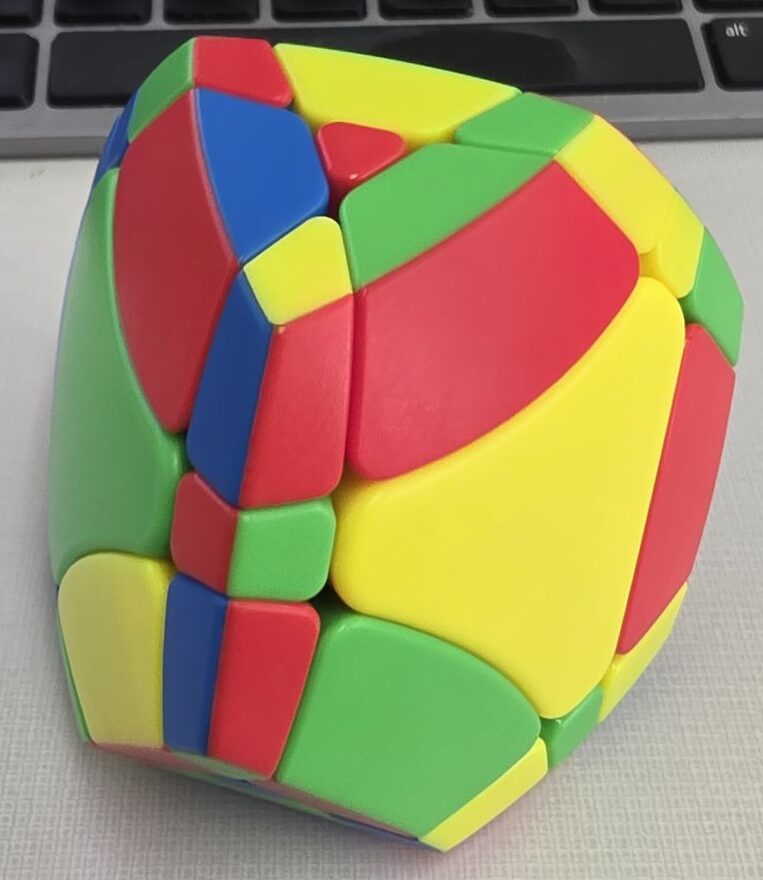
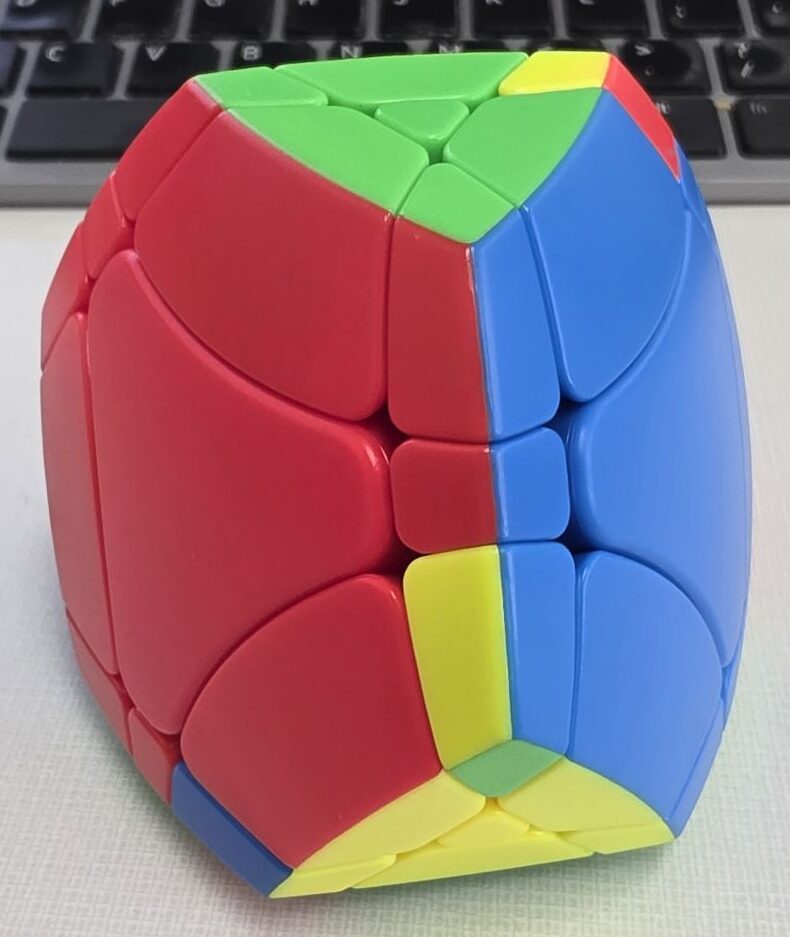
This is a relatively-simple and rather-fun puzzle that really only requires two steps and a little bit of intuition. Let’s look!

Step 1: Solve Small Edges

If two are flipped (correctly placed, but flipped)

  • Place on top layer, on L and R.
  • Small triangle facing you.
  • R’, L, R, L’
  • U, L’, U’, L

Link with timestamp

Step 2: Solve Triangle Edges

Mostly intuitive


Step 3: Solve corners

Three-cycle

You can do this starting on the right like this photo or on the left. Just a mirror algorithm. For this one:

  • R’, L, R, L’
  • (this positions the green layer piece on yellow)
  • Move the yellow triangle to the next spot (clockwise here)
  • L, R’, L’, R

2026 In Music

Posted in Blog, Lists, Music on December 16, 2025 by slateman

Building off of my 2024 list and 2025 countdown, here’s my running list of 2026 releases on the horizon. Oh, as always, can’t forget about the MetalStorm Upcoming Releases page for handy reference!

16 Jan: Kreator: Krushers Of The World
23 Jan: Megadeth: Megadeth
30 Jan: Hällas: Panorama
13 Mar: Lamb Of God: Into Oblivion
20 Mar: Exodus: Goliath
17 Apr: The Moon And The Nightspirit: Seed Of The Formless

Hopeful for the following

  • Moonsorrow (please)
  • Skeletonwitch
  • Leiþa

DoDonPuchi Zero Is Preserved!!!

Posted in Blog, DoDon Pachi, Games on November 10, 2025 by slateman

Dedication and perseverance have led us to this fortuitous moment: DoDonPuchi Zero is playable for everyone after having been locked to archaic Japanese mobile phones for two full decades! This is simply incredible news to those of us who follow these things, but for many who’d never even heard of this, understand this is a landmark moment. Wherever you’re coming from, I’d like to share the history of the game, the platform and what’s so special about this ‘tiny’ entry into the DonPachi franchise.

The mobile market in the West in 2003 was understandably limited, however, in Japan, things were bustling. Publishers innumerable were developing and porting existing IPs to the mobile realm in the form of a diverse and curious rainbow of titles. From a preservation vantage point, this is one of the most-prolific yet least-documented era in gaming. Capcom, for instance, issued no fewer than a dozen mobile-only games using their existing IPs: Rockman, Street Fighter, Vampire/Darkstalkers as puzzle titles, card games, rhythm experiments and much more with virtually none of these available in any form in 2025. I digress; let’s step back and look at how things all began and how shmups fit into the whole story.

History of Cave’s Mobile Titles

Starting in 1999, the Japanese company NTT DoCoMo began offering a service called i-mode which allowed mobile phones to go online. This primitive service offered web access and e-mail, initially in monochrome environments, before developers began to expand into the gaming realm.

On the 17th of September, 2002, CAVE launched their own storefront titled The シューティング ゲーセン横 (The Shooting Game Center Yokocho) for i-mode compatible phones. The site had four sections: Arcade Game Information, Classic Games, Variety Games and Score Trial. Classic titles were 1990s-era CAVE and Psikyo games like Strikers 1945 and Gunbird. Variety Games housed the pinball spin-offs ESP Pinball and DonPin (another game we know only from screenshots), some puzzle and strategy games, and today’s topic: DoDonPuchi Zero.

The service cost ¥300 a month (about $2 USD today) to access. For this fee, you’d receive six credits. Classic games cost three points and Variety two, but if you deleted it from your phone, you’d receive one credit back. Participating in the Score Attack cost one credit itself.

By the following year, the company had published several mobile renditions of their popular titles, including ports of Dangun Feveron, DoDonPuchi (not Zero), ESP Ra.De and Ketsui. All in all, CAVE published about two dozen games on the services, sometimes in split form, due to storage and bandwidth restrictions. DoDonPuchi Zero, by contrast, was an original game developed exclusively for the 504i series of phones and is the subject of today’s deep dive.

Game Center Yokocho shut down in 2014 and after that point, the only way to play these games was by finding a phone with the title still installed. Due to preservation efforts by RockmanCosmo and the excellent Keitai World Launcher, we’ve seen scores of otherwise-inaccesible titles made available in recent years. I wrote about the astonishing preservation of DoDonPachi: Dai-Ou-Jou Reco.Ver a few weeks ago, and we now can play yet-another long-lost entry: DoDonPuchi Zero with special thanks to Cuebus for dumping this (and for not getting one credit back by deleting the game!!!) In the process, he also preserved a trial version of DoDonPuchi proper; information about that rendition will be saved for its own entry. For now, let’s dive into exactly what DDPZ is, a sentence I’ve wished to utter since learning of this game in the early ‘00s.

ドドンプチ零 / DoDonPuchi Zero

One of CAVE’s earliest entries into their service was DoDonPuchi Zero, an original game “created by the arcade game staff,” Furukawa recalled in a 2020 interview with 4Gamer. He continued, “it established a mobile shooter engine, so in that sense it was a very valuable title.” Rather than just translating existing code, this was an important step for the company, who would issue renditions of Mushihimesama, Pink Sweets, ESP Galuda (both 1 and 2), Storm Of Progear and more in the coming years.

The Zero suffix was not uncommon for Japanese titles, but its full name was a fun take on the already jovial DoDonPachi. It’s long been established that the title DonPachi and DoDonPachi each contain a play on words: the first entry roughly means Bee Leader and the sequel Angry Bee Leader all while hearkening the onomatopoeic sound of gunfire. Here, Puchi translates to ‘petite’ or ‘mini’, making this an Angry Mini Bee – more or less. It’s playful and fitting.

Audio & Music

Given the truly-limited storage size of games on this platform (DDPZ clocks in at a meager 31k), there are no sound effects. However, the legendary Manabu Namiki was hired to do the soundtrack, quite surprising, given his pedigree and the nature of this title. He recalled in a 2010 interview of STG Gameside #1 (with special thanks to Shmupilations for the translation.)

Interviewer:
What shooting game music you’ve composed has given you a lot of troubles, or is otherwise very memorable for you?

Namiki:
The work I did for the mobile phone app DoDonPuchi Zero gave me a lot of problems. The available memory was tiny, and there wasn’t enough space for the BGM data, so there was no way to get it to fit except for removing notes from the songs. Even though I had to shave off so many notes from the pieces, the songs still needed to be enjoyable to listen to, and with all the fine tuning I had to do on these songs it was like some incredibly complex puzzle. Those days remind me of how much I hated the way musical data was done on mobile devices. (laughs)

Each stage’s theme song is a bit over a minute long and with the levels themselves lasting about two, the loop is enjoyable and not too repetitive. Though Namiki was understandably frustrated with the constraints and results, the songs are actually quite catchy, despite not drawing from the original DDP’s tunes at all. Boss music is shared and there is a pair of other tracks: the intro/ship select music and the usual end-of-level quick recap as well. See the Links Section below for a download of the full OST.

The Game Itself

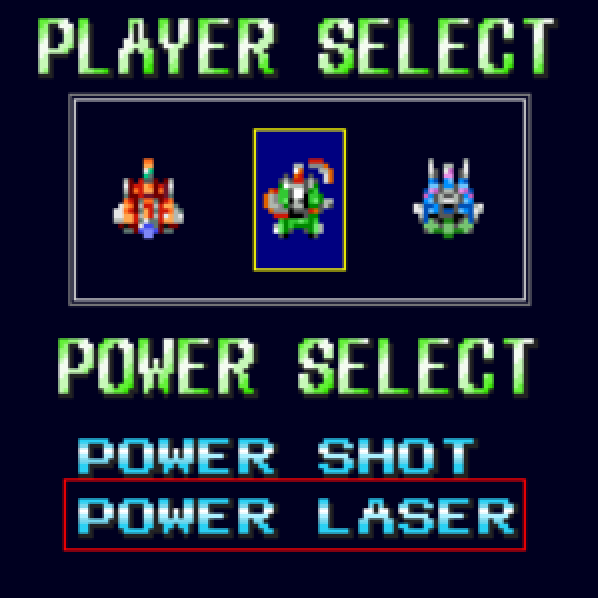
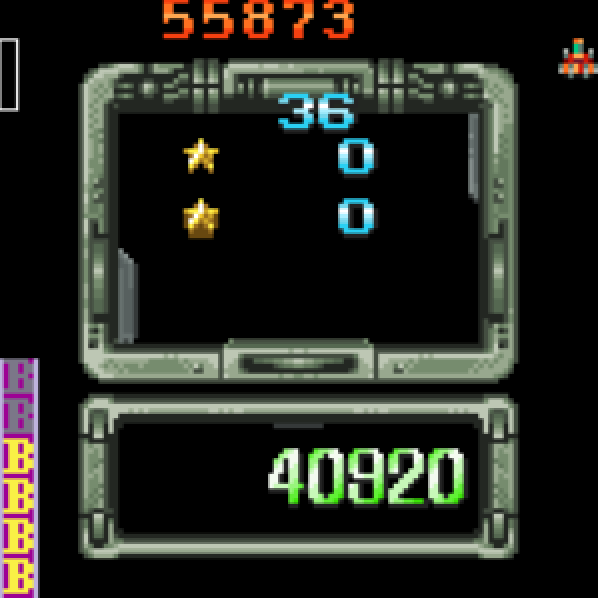
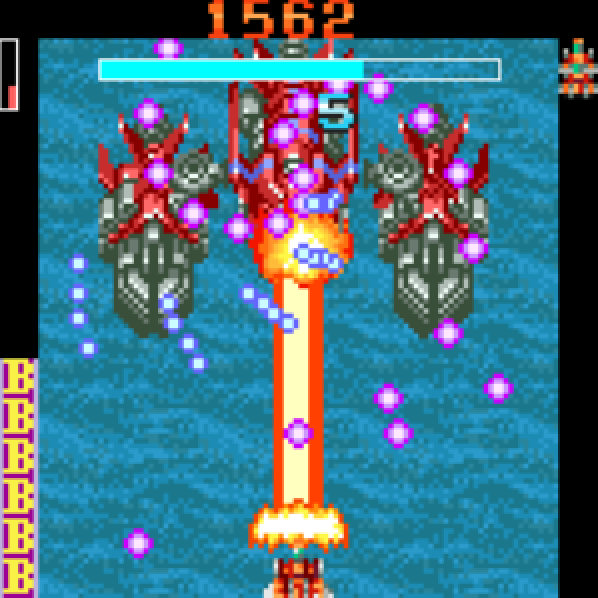
The fact that DDP Zero was an original game makes this a unique entry amongst the standard fare of ported titles. While this diminutive version was scaled down considerably, so much of the base game was carried over here. The core gameplay was the same: Three ships, laser or shot choices. Bombs came in the same two flavors. A warning sign flashes before each boss and afterwards, your star count is tallied, distributing a bonus for a No Miss.

For a stripped-down mobile title from 2003, DDPZ was a surprisingly-good game! There are three difficulty levels and you could change your ship speed in the options menu. There was an online leaderboard as you could upload scores, but while this is all impressive, do not forget that this was a mobile-phone game. On the numberpad, you moved with the number keys, 0 would change from laser to shot and # would unleash bombs. It’s actually more playable today with proper controller configurations (much like the G-Mode ports).

Each of the three ships does feel unique and represents the pedigree of the series well. Two stages are available and you can begin on stage 2 when starting. Entering level 1, it’s astonishing just how well the game actually runs. It’s smooth and features a fair amount of bullets, particulary for the 240×240 screen. The added difficulties present even-more firepower to dodge and the game scrolled fluidly, even with all these on-screen projectiles.

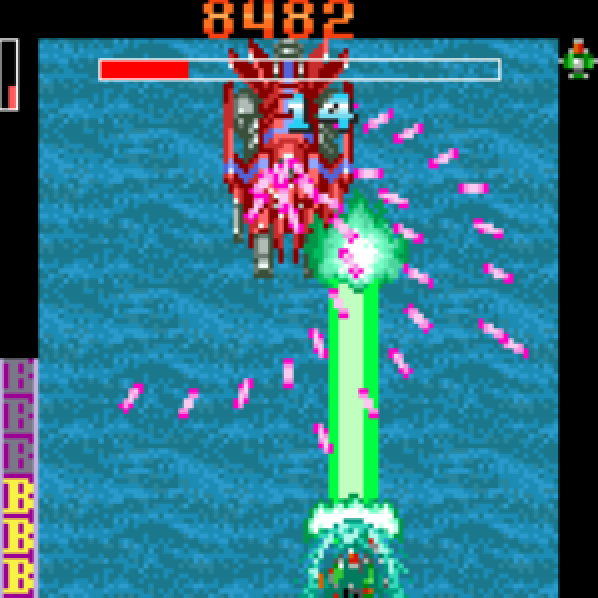
Both stages have a mid-boss with a life bar and you could destroy the arms of the second-stage boss, revealing a more-difficult bullet pattern. Even the chaining system arrives intact, carrying over the GP meter in the upper-left-hand corner and the usual dance of popcorn enemies, lasering tougher foes, revealing bees via said laser and harsh scoring punishments for bombing.

Final Thoughts

DoDonPuchi Zero is, by all accounts, a mere novelty when compared to even console affairs of the time. However, it is a fun and competent representation of the best shooting series ever produced.

A trio of CAVE’s mobile DX games were ported to the Switch and Steam by G-Mode with great results and it would be phenomenal to see others get the same treatment. It seems unlikely, but this preservation effort should be applauded and I sincerely hope the momentum continues as there are so many unique and quirky entries into our favorite franchises that many of us have never played. I hope these chronicles covering such niche titles are worthwhile to some. Thanks for reading!
Useful Links

5-Layer Pyraminx Algorithms

Posted in Algorithms, Best / Worst, Blog, Cubing on October 27, 2025 by slateman

…and so it ends (Super Mario Galaxy)

Posted in Best / Worst, Blog, Games with tags on October 11, 2025 by slateman

8 days, 15 hours // 120 stars

Super Mario Galaxy Complete!!!

Quick notes:

  • I am NOT doing this all as Luigi to get a true 100%.
    • (maybe one day, starting anew with this save file)
  • Comet system & world hub was annoying to keep up with
    • Too much running around just to enter a stage
    • Clunky to discover what else you needed to do
    • Addressed in earnest in its sequel
  • Flying was great in designated areas
  • Good challenge – not absurdly difficult
  • Switch 2 translation was fantastic!
    • Ran great and fantastic resolution
  • Bee power-up was fun, spring was iffy
  • Exploration wasn’t really worth it…
    • Mostly yielded 1-Ups, thus diminishing desire to look further
    • Which is, to me, the heart of the Mario series.
  • Level diversity staled as time went on.
    • Also addressed in Galaxy 2
  • Late-game challenge was appropriate. Frustrating, but never out of reach.
  • Very satisfying 100%* (again, not doing all 120 stars again!)

I loved it. Breaking this game out of its Wii shackles (I realize it was on the Switch already) is great and its upscaled assets, 4K resolution and comfort playing on a Pro controller make this the ideal version. I’m so happy I played this behemoth of a game. It boggles my mind that it was released in 2007 – that short window between moving to Maine and my latter two children. I can’t say it brought me back, despite remembering some of those stars vividly. It’s been 18 years since I played this game and 18 years prior, I was in 7th grade.

I’m diving straight into Galaxy 2 – I wonder if it’s as good as I remember!

…and so it begins (Super Mario Galaxy)

Posted in Best / Worst, Blog, Games with tags on October 4, 2025 by slateman

I started this blog in early 2012 and by then, both Galaxy games had come and gone. A decade ago, I wrote about my Mario Completion stats and there I reminisced about how Galaxy 2 was the third-best Mario game ever. I’ve wanted to revisit, but I am the reason these remasters exist. I could play all of this on the original hardware, via emulation…hell, I could do it on my phone, I’m sure. But convenience is king and with a Switch 2 in hand (and its 4K resolution), I was decidedly a day-one buyer, even in spite of it’s silly price tag. (Grazie, zio).

I endeavor to chronicle my progress. Do I have the patience to 100% the first game before eagerly jumping to the second? Do I even need to reach that goal? So far, so good, I must say. Galaxy is Nintendo at their most creative and I’m really quite enjoying myself. Let’s see how this adventure goes!!!

Concert Review: Geoff Tate – Silver Spring, MD – 28 September, 2025

Posted in Best / Worst, Blog, Concert Reviews, Music, Personal, Photos on October 4, 2025 by slateman

I saw Queensrÿche three times: in 2000, 2003 and again in 2005. And when Geoff Tate and the band split, I was firmly a member of the QR camp. The divorce was ugly and neither side looked good, however, I never really enjoyed Tate’s solo material and as the years passed, even the band’s continuation failed to inspire much passion. I was fine ending my journey with all of it, especially considering I’d seen all of Operation: Mindcrime during the last of my three concerts.

Now, it should be said that I don’t have a full recollection of that evening, with Doug fully to blame. And as Tate announced a goodbye to one of my top-20 albums ever, playing the entire record, I felt no hesitation plunking down a few bucks and driving yet again up to Silver Spring. Before we get to this night, however, I’d like to reminisce some decades.

I walked all the way to Looney Tunes to purchase Operation: Mindcrime and another record (maybe an Anthrax tape). The two-mile walk, which Google tells me takes 45 minutes, was a common occurrance in subsequent years, but at the time, I was a mere 12 years old. On the way back, I stopped at my school and some kid stole my money. What odd memories we retain. And as it came out before I was 16, I still remember a majority of the lyrics. Thus, tonight, I sang much far more than normal. I was not alone. Even the taped intros had the crowd reciting from memory, “Dr. Hamilton, Dr. J. Hamilton.” “Sleep well, you bastard.”

The band has its own light system and immediately I was impressed by the absolute clarity of things. They sounded utterly fantastic. All three (!) guitarists played rhythms, leads and interludes perfectly – almost astonishingly so. The production was reminiscent of Def Leppard or Ghost, virtually-perfect recreations of the studio creations. Unfortunately, it loses all that punch that I love about live shows and it felt manufactured – meticulously crafted for authenticity and not the gritty live performance. Tate’s vocals were phenomenal, but often buried lower in the mix with loud backing vocals lifting it all up. It’s hardly dismissive, it’s far better than some of the botch jobs I’ve seen online by Jon Bon Jovi or David Lee Roth, etc. We’re all getting older, but he did a remarkable job.

Spying on t-shirts from recent tours and it’s evident: this band plays a LOT of shows. I estimated about 100 in 2024 alone. City upon city. Geoff Tate mentioned he’s played in 66 countries. Say what you will, but that’s dedication.

He kept the between-song banter limited and played the role as frontman well, sporting a no-sleeved jacket, black cowboy hat and his trademark, thick-framed glasses. It almost felt like Mindcrime was rushed through, and Tate appeared to enjoy the Mindcrime 2 songs more, the three chosen truly showcased his skills, perhaps more than them being the best selections. But make no mistake, seeing a great rendition of the concept album that shaped my youth was just awesome.

The two songs with keyboardist/vocalist were fantastic, and the entire choreographed evening did what it intended: offer a strong sense of nostalgia presented in a lengthy and highly-curated package.

There were three songs from Mindcrime’s sequel, another trio from Empire and a pair of classics rounded out the night. None hit the highs of the main draw. The sound of Empire felt more than ever like that transitional, early ’90s time period. The classics were solid and the evening as a whole was fun. Unless Queensrÿche comes back with something worth seeing – and with a more-authentic live experience – I’m happy closing this chapter of my top-20 record…a mere 37 years after I first got into the band.